What to Review Before Booking a Brooklyn Basement Cleanout
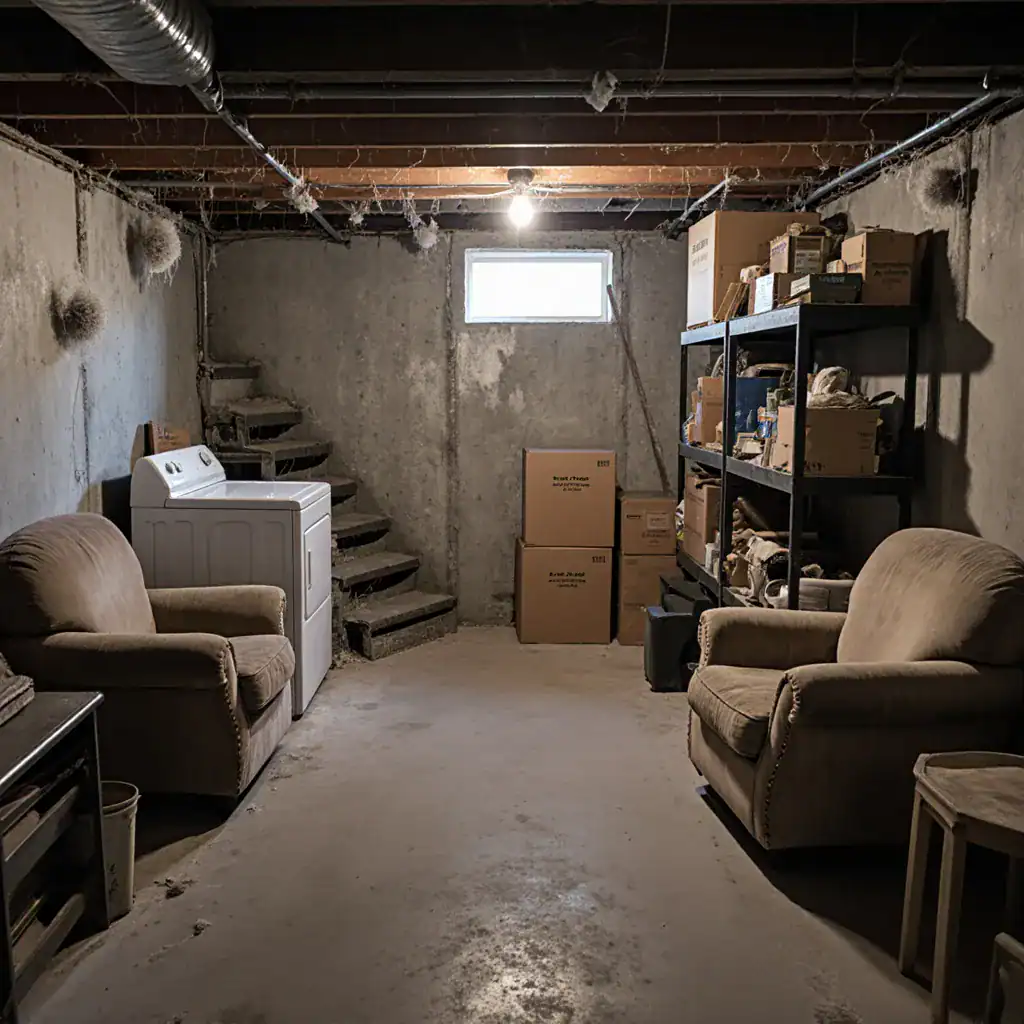
Basements in Brooklyn, NY, often become our default storage space for moving boxes, old furniture, seasonal décor, renovation debris, and items from New York City apartments that never found a permanent home. Over time, that clutter can block access to shutoff valves, panels, and water heaters, and it can also hide water damage that keeps getting worse.
When we schedule a basement cleanout, we want a smooth plan, upfront pricing, clear cost estimates, and a fast, safe process for the heavy lifting. Below, we share what we recommend reviewing before booking with Lightning Junk Removal so our cleanout in New York stays efficient and stress-free.
1) Get clear on our goal, then match the cleanout to our property needs
A basement cleanout goes faster when we decide what “done” looks like. “Remove junk” helps, but a specific goal keeps our sorting simple.
Common goals for Brooklyn basements include:
- Creating a safe path to shut-offs, the electrical panel, and water heaters
- Clearing room for shelves and an organized basement
- Preparing for waterproofing, repairs, or a renovation after water damage
- Emptying the basement before a move, sale, or inspection
- Resetting the space after estate cleanouts or a house and apartment cleanout
When we define our property needs, we can make faster keep vs remove decisions and avoid second-guessing on pickup day.
2) Use a simple system that supports basement cleaning, not just removal
Many of us want a cleaner basement, not only fewer items. A cleanout can set up a smoother next step, such as a basement cleaning service appointment.
We recommend three sorting zones:
- Keep: items we will use soon.
- Donate, reuse, or recycle: items in good condition, including reusable products.
- Remove: broken, outdated, or unwanted items.
If we plan to do deeper cleaning afterward, we can focus on clearing the floor first. That makes sweeping, vacuuming, and organizing easier.
3) Flag special handling items early, including hazardous waste and hazardous E-waste
Basements often contain items that require careful disposal planning. Lightning Junk Removal is not accepting hazardous waste, so we must keep hazardous materials out of our removal pile. We also want to set aside hazardous e-waste and ask about proper handling options.
Items we should separate before the appointment:
- Paint, solvents, stains, and strong cleaning chemicals
- Fuels, oils, and automotive fluids
- Pesticides and pool chemicals
- Propane tanks and pressurized containers
- Electronics that may qualify as hazardous e-waste in certain situations
This step supports responsible waste management and keeps our removal day simple.
4) If hoarding is involved, plan for safety and the right level of help
Some basements include extreme clutter or a situation that overlaps with the needs of hoarding cleaning services. If our basement contains sharp debris, spoiled materials, pests, or suspected hoarding biohazard conditions, we should pause and plan the right order of work.
A practical approach:
- We separate obvious keepsakes and important documents first.
- We identify any areas that require specialized safety steps.
- We schedule removal after we confirm a safe path and a safe working environment.
This planning helps protect our home and keeps the cleanout organized.
5) Think through access, parking, and tight Brooklyn layouts
Access is one of the biggest drivers of time and labor in Brooklyn basements. Narrow stairwells, tight turns, low ceilings, and long carry distances can all affect scheduling and pricing.
Before we schedule, we should check:
- Stair width and turns for furniture and bulky items.
- Low ceilings and overhead pipes
- Door widths and basement entry clearance
- Carry distance from the basement to the curb or driveway.
- Parking and loading options
If our building has rules, we can confirm approved hours and protection requirements. This also helps if we manage commercial spaces or work with property managers.
6) Understand pricing: volume, labor, and access drive cost estimates
We all want clarity before booking. Basement cleanout pricing commonly depends on:
- Volume of junk and debris
- Labor for heavy lifting
- Access challenges such as stairs, long carries, and tight turns
- Material types such as furniture, appliances, mixed debris, or construction debris
- Time required for safe loading
If we want accurate cost estimates, we can share photos of the basement, stairs, and the heaviest items. Many homeowners also look for a free estimate, and we can request that during scheduling, along with upfront pricing expectations.
7) Decide what can be donated or reused, and keep reusable products separate
If we want to reduce landfill waste, we can sort out usable items early. A dedicated “donate or reuse” zone helps, especially when we have furniture, boxed household goods, or building materials worth saving.
Tips that keep the process smooth:
- Keep matching parts together, such as shelves, screws, and hardware.
- Keep donation items off damp floors.
- Label boxes clearly so our keep, donate, and remove piles stay separate
This step supports better waste management and can protect valuable reusable products from accidental removal.
8) Address water damage and basement flood cleanup plans before final organizing
If our basement has moisture issues, clutter removal often reveals the real condition of the space. After we clear items, we can evaluate next steps such as drying, repairs, or basement flood cleanup.
What we can do before pickup:
- Move items away from wet walls and corners.
- Bag, soaked cardboard, and damaged textiles
- Mark any areas with active moisture.
If our plan includes deeper cleaning like pressure washing, we can schedule that separately after removal, once the floor and walls are accessible.
9) Know what to expect on cleanout day in residential spaces and commercial spaces
A basement cleanout usually follows a clear workflow:
- We confirm what goes and what stays.
- We confirm the exit route and loading plan.
- We complete the removal efficiently and safely.
- We finish with a final walkthrough.
This process works for residential spaces and for commercial spaces such as storage areas, backrooms, and building basements. If we need same-day pickup, we should ask about availability when we contact scheduling.
10) Booking tips: online booking system, customer service, and customer reviews
We can make scheduling easier with a short checklist:
- Photos of the basement and stair access
- A list of large items such as couches, dressers, shelving, appliances, or carpet
- Notes about parking and building rules
- Confirmation that hazardous waste stays out of the pile
Many of us also check customer reviews before booking and prioritize responsive customer service. If we prefer a faster workflow, we can ask about an online booking system option when we schedule.